How Often Should Telford, TN Businesses Schedule a Commercial Pest Control Service?
Scheduling pest management at the right frequency can mean the difference between a clean inspection and a costly violation for Telford, TN, businesses. This article explains how often different business types need professional pest management, what Tennessee compliance rules require, and how to spot warning signs that service can't wait.

Why Service Frequency Matters for Telford, TN Businesses
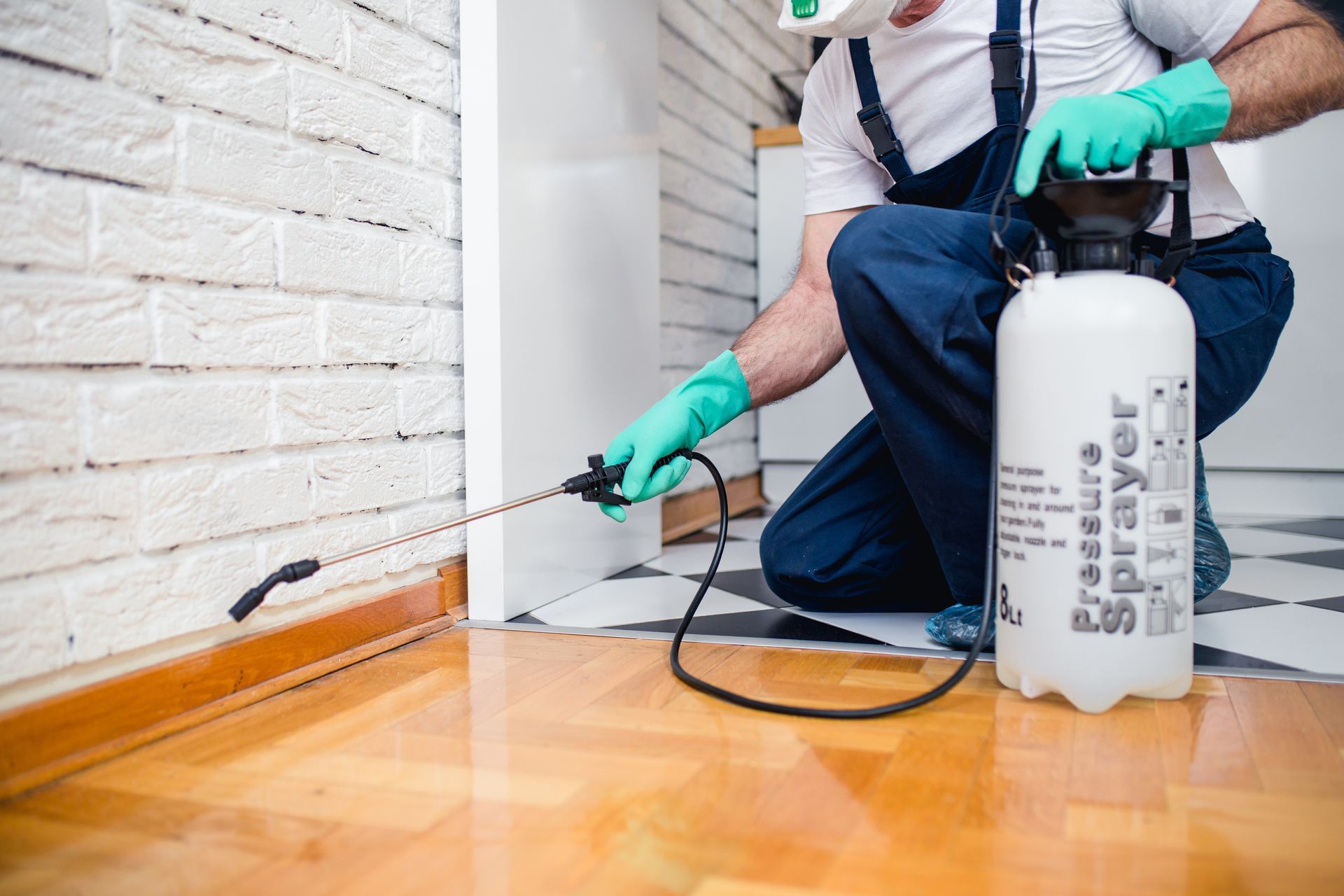
Consistent pest management keeps your business protected year-round. The humid summers of the Tri-Cities region create ideal conditions for ants, cockroaches, rodents, and other pests. Washington County's mix of agricultural land, food businesses, and retail establishments means pest pressure can come from multiple directions. A commercial pest control service in Telford, TN, is not a one-time fix. Ongoing visits catch problems before they escalate into infestations that damage your reputation or trigger a health department action.
Tennessee's regulatory framework adds another reason to stay on schedule. Pesticide applicators working in food service facilities must hold a valid commercial pesticide applicator license issued by the Tennessee Department of Agriculture. The documentation burden falls on you as the business owner.
How Often Should Different Business Types Schedule Service?
Service frequency depends on your industry, building type, and local pest pressure. Choosing the right provider for your specific business type is the first step toward a schedule that keeps you protected and compliant.
Food Service Establishments
Food-related businesses face the most intensive oversight. Cockroach and rodent infestations trigger automatic critical violations under Tennessee Department of Health food service inspection criteria. For restaurants, cafes, and food processors in and around Telford, monthly visits are often recommended, with some high-volume kitchens opting for bi-weekly service. A pest infestation in the kitchen can trigger a Class 2 suspension, which takes effect immediately and halts all operations. Scheduling a commercial pest control service before each inspection window gives food businesses a critical advantage.
Retail Stores and Offices
Retail shops and office buildings in downtown Jonesborough or along Highway 11E typically benefit from quarterly visits. Spiders, ants, and occasional invaders are common in commercial spaces throughout the region, particularly during spring and fall. Quarterly service keeps perimeters treated and entry points monitored before populations grow.
Healthcare Facilities and Childcare Centers
Medical offices, dental practices, and childcare centers carry a higher duty of care. The Tennessee Department of Education establishes Integrated Pest Management requirements for schools and childcare facilities, which often require monthly inspections and detailed service logs available for state auditors. Bi-monthly visits may be appropriate depending on facility size and layout. A licensed pest management provider familiar with state audit requirements can help these operators stay consistently compliant.
Warehouses and Light Industrial Properties
Warehouses and storage facilities along the I-26 corridor near Erwin and Unicoi County face stored-product insects and rodent pressure from surrounding rural land. Rodent exclusion programs typically involve perimeter inspection of all penetrations larger than 6 mm. Quarterly service is a common baseline, though bi-monthly visits may be warranted for facilities receiving frequent shipments.
Tennessee Compliance Basics Every Business Owner Should Know
Documentation is as important as the treatment itself. Pest control products must be EPA-approved and applied according to label directions by licensed professionals. Businesses must maintain service records, pest sighting logs, and treatment documentation. Inspectors can request them at any time, and gaps in documentation may be treated as a compliance failure even if your facility is physically clean.
Tennessee inspects high-risk food establishments twice per year and moderate-risk firms once per year. Scheduling commercial pest control service visits before these windows gives you time to address any findings before a state inspector arrives.
Signs Your Business Needs Immediate Service
Some situations cannot wait for a scheduled visit. Watch for these warning signs:
- Live insects or rodents spotted during business hours.
- Droppings, gnaw marks, or grease trails near storage areas or equipment.
- Unexplained product damage or contaminated inventory.
- Unusual odors in wall voids, under equipment, or in storage rooms.
- Pest sightings reported by employees or customers.
Any of these signs may indicate an active infestation requiring prompt attention rather than waiting for a routine visit.
Building a Pest Management Calendar
Map out scheduled visits for the full year at the start of each quarter. Note seasonal pest pressures specific to your area, such as stink bugs and cluster flies in the fall, which are common in northeast Tennessee. Align visits before health inspections, before peak-traffic seasons, and after facility remodels or new equipment installations.
Keep a written log of every visit, treatment applied, and pest activity observed. This documentation supports your compliance posture and helps your provider spot trends over time.
Ready to Build the Right Schedule for Your Business?
Protecting your business starts with a provider who understands your industry, your building, and the specific pest pressures of northeast Tennessee.
Marshall Bros. Exterminating has served Telford, TN, and the surrounding Washington County area since 2004, offering licensed, customized commercial pest management for food service, retail, healthcare, and more. Call
(423) 753-6768 to schedule your free inspection and discuss the right service frequency for your business, or
request a commercial pest control quote online. You can also
learn more about commercial pest control services to see what a tailored treatment plan may include.